Selecting the Right Flooring System for Industrial & Port Infrastructure: A Technical Guide
1. The “Tailored” Philosophy in Surface Engineering:
A common industry pitfall is applying a universal solution to diverse environments. At DEMA JSC, we believe industrial floors must be “engineered” based on operational realities, not just “selected” from a catalog.
2. 4 Key Factors Driving Flooring Selection:
Engineers and developers must analyze:
- Load Profile: Static loading (mostly racking systems) vs. dynamic impact (forklifts, heavy trailers).
- Traffic Density: Movement frequency and high-stress zones like turning lanes and braking areas (requiring extreme abrasion resistance).
- Operational Environment: Indoor (factories) vs. Outdoor (ports, terminals) exposed to UV rays and saline air.
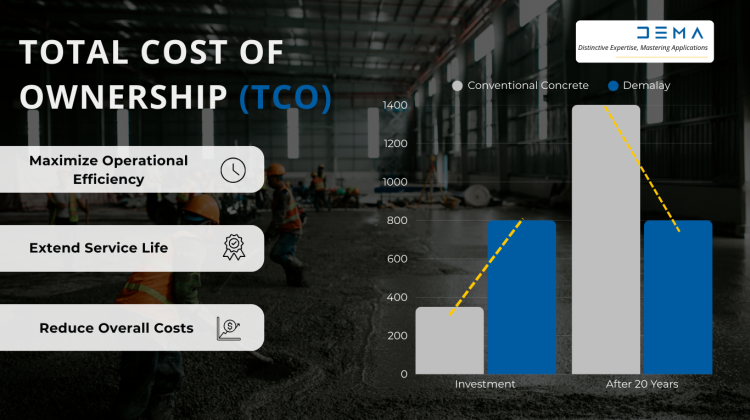
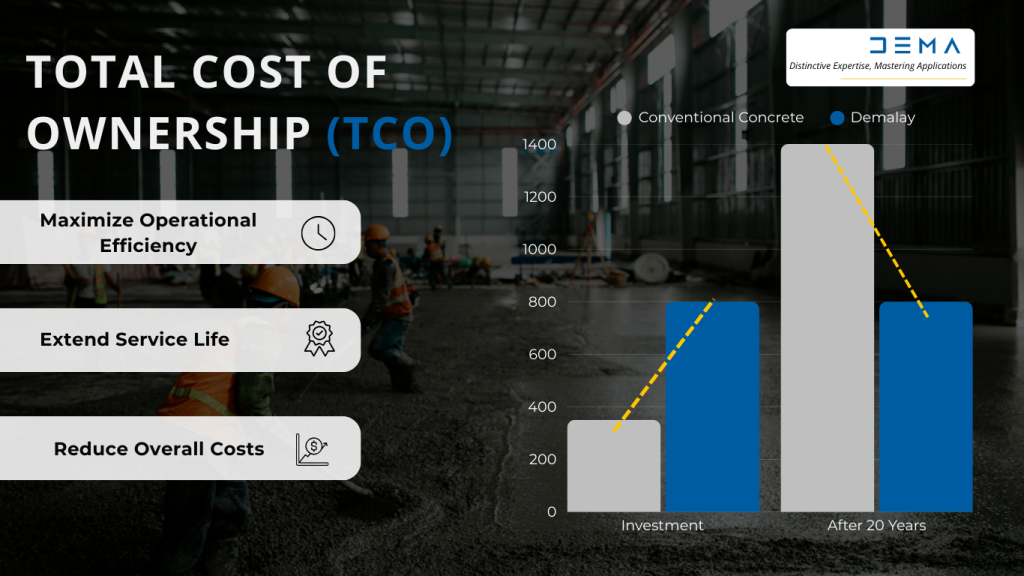
- Financial Strategy: Balancing initial CAPEX with long-term OPEX (maintenance).
3. Matching DEMA Solutions to Project Needs:
💎 Demahard® Floor Hardener Series (Dry-shake):
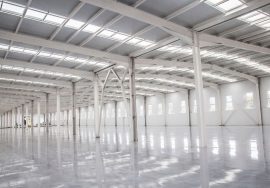
- Best for: Manufacturing plants, logistics hubs, and Ready-built Factories (RBF).
- Key Benefit: Enhances Mohs hardness up to 9, integrated into fresh concrete placement to create a dust-free, high-density surface.
🌉 Demalay® Heavy-Duty Overlay System:
- Best for: Port decks, heavy-duty truck parks, and industrial floor remediation.
- Key Benefit: Superior resistance to dynamic loads and impact, exceptional bonding to existing substrates, and rapid return-to-service.
4. Quick Selection Matrix:
| Facility Type | Technical Priority | Recommended Solution |
| Logistics Warehousing | Abrasion & Dust-free | Demahard Sili/Topa |
| Heavy Machinery Plants | Impact & High Load | Demahard Corum |
| Ports & Terminals | Extreme Traffic & UV | Demalay Heavy-duty |
| Floor Rehabilitation | Fast-track & Adhesion | Demalay Overlay |
SUPPLEMENT: FREQUENTLY ASKED QUESTIONS (FAQs)
1. Which Demahard grade is best for Ready-Built Factories (RBF)?
→ For RBF projects, Demahard Sili or Topa are typically the most cost-effective choices. They provide a high-quality, abrasion-resistant surface that meets international standards, suitable for a wide range of tenants from garment manufacturing to light logistics.
2. When should I choose Demalay over a standard concrete or other cement grout?
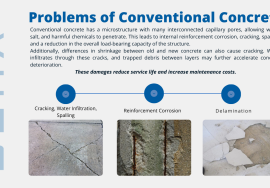
→ Demalay is superior when you need a thin-set overlay (30mm-50mm) that can still withstand heavy container traffic and requires rapid return-to-service. Standard concrete at this thickness is prone to cracking and delamination, and it requires a longer curing period.
3. Can Demahard systems be applied to outdoor floors?
→ Dry-shake hardeners are generally optimized for indoor or sheltered environments. For outdoor container yards or port decks, DEMA recommends the Demalay system or specialized hardeners designed to resist UV radiation and extreme thermal fluctuations.
4. Does DEMA provide on-site technical surveys and consultation?
→ Absolutely. We believe there is no “one-size-fits-all” solution. DEMA’S technical team is available to visit your site, evaluate traffic density, and assess actual load requirements to recommend the most precise product (Sili, Topa, or Corum) that aligns with your budget and technical specifications.